DISTANCED IMMERSION · WVU × EUSA
Spring 2026
Browse all yearsIn Spring 2026, students from EUSA / the University of Seville and West Virginia University explored AI-assisted filmmaking through the stories behind everyday objects. Working across continents, teams used personal memories, 3D scans, and creative writing to develop short films inspired by plush toys, a chess piece, and a game controller.
Students shaped their ideas through scripts, storyboards, and text-to-video prompts, experimenting with visual styles and refining the results together. The projects explore belonging, resilience, competition, and childhood memory while considering how AI can support human creativity and cross-cultural storytelling.
Queens Don't Quit
Queens Don’t Quit
A golden chess queen becomes a symbol of resilience in this dialogue-free short film. Her surface cracks during setbacks and is restored through positive experiences, using visual changes to tell a story about perseverance and personal growth. Students developed a storyboard and visual script, then refined AI-generated scenes and paired them with music to create a story that can connect with viewers across languages.
Created by: Adler Howell, Carly Clark, Cole West, Venus Reinoso
Wherever You Go
A small companion. A long journey.
A plush toy travels from Europe to meet its owner, Evie, becoming a source of comfort throughout her childhood. Told from Peanut’s perspective, the film follows the bond between a child and a familiar companion. The team embraced a storybook visual style, allowing unexpected AI-generated details—including a plush-like human character—to help shape the final look and give the story its distinctive charm.
Created by: Evie Safran, Juan Bellón Jiménez, Talia Cartwright, Emma Thomas
More Than Winning
A different kind of high score
A magical game controller becomes the starting point for a story about competition, ambition, and connection. With a playful animated style, the film moves from a familiar gaming setup to a brightly lit tournament stage, exploring what success and community means on and beyond the screen. The project uses AI-assisted visual storytelling to turn an everyday object into a larger story about the people and experiences connected to it.
Created by: Addison Briell, Javier Puente Llorente, Justin Rosa, Santiago Corral Rojo
Pink Bunny
A familiar friend. A new beginning.
A pink plush bunny becomes a symbol of friendship, reassurance, and belonging. Told through the object’s perspective, the story explores how an everyday gift can take on meaning through the people and memories connected to it. The team combined a personal object scan, creative writing, and AI-assisted imagery to develop a warm, imaginative story about finding confidence with the support of others.
Created by: Elizabeth Gerke, Laila Flores, Estrella Sosa
BEHIND THE FILMS · JANUARY–MARCH 2026
Objects, memories, and a shared creative process
Each film began with something personal: an object a student could hold, scan, and explain. Students at West Virginia University in Morgantown and EUSA in Seville exchanged those objects’ stories, then worked in international teams to turn them into AI-assisted films. Slack, shared Google documents, and live video meetings made the work a continuing conversation across a six-hour time difference.
Teachers in both countries guided the teams through pitches, story development, visual experiments, and critiques. The materials below show how students made decisions, divided responsibilities, tested ideas, and revised the results.
Start with a real object
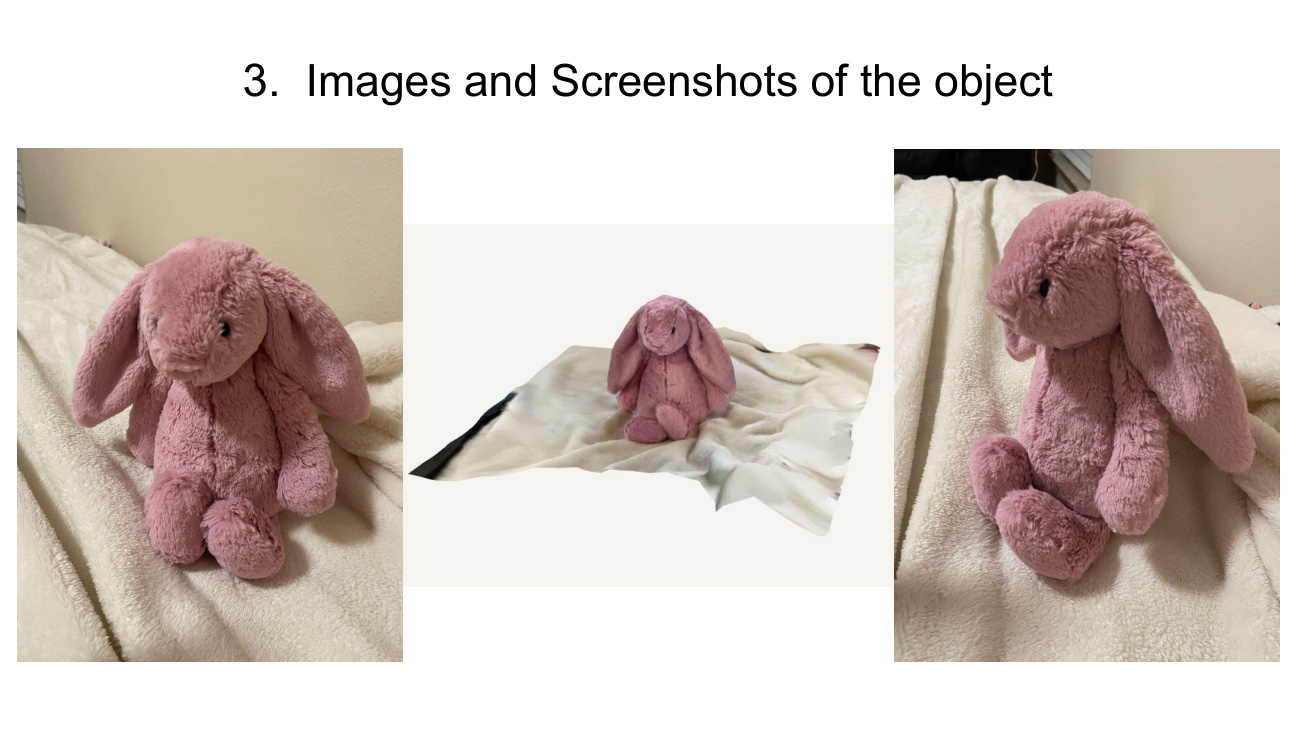
In January, students made Polycam scans and wrote personal descriptions without AI. A partner then used the description and a scan screenshot to explore the object’s point of view.
Pitch and plan together
In early February, groups presented their objects, human and AI interpretations, visual ideas, proposed tools, and production roles. Shared storyboards translated those ideas into shots.
Generate, critique, revise
Late-February workshops produced images and prototypes. Students used feedback to refine prompts, animate scenes, edit sequences, and add sound before the early-March class screening.
Queens Don’t Quit: finding a visual language
The group developed a golden chess piece into a character whose setbacks and recovery could be understood through movement, texture, light, and music. The pitch records feedback to shorten the story, reduce voiceover, show scenes visually, and make prompts more specific.
In late February, students recorded further critique: assemble the story, control its scope, and keep the image styles consistent. The script Venus shared in early March turns those goals into a dialogue-free sequence: warm light, rain, cracks in the queen’s surface, help from another person, and a return to confidence. Adler shared an edited version with generated background music in early March.
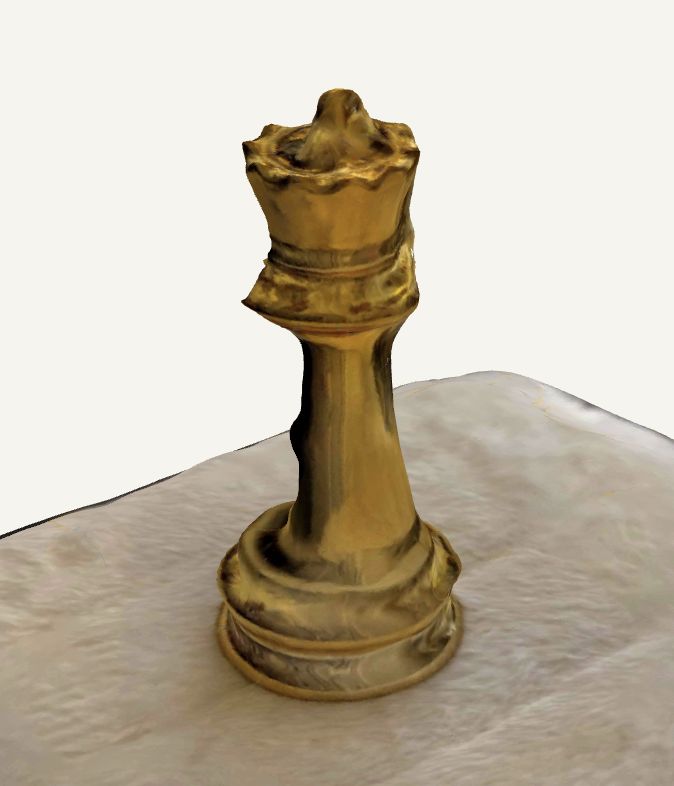
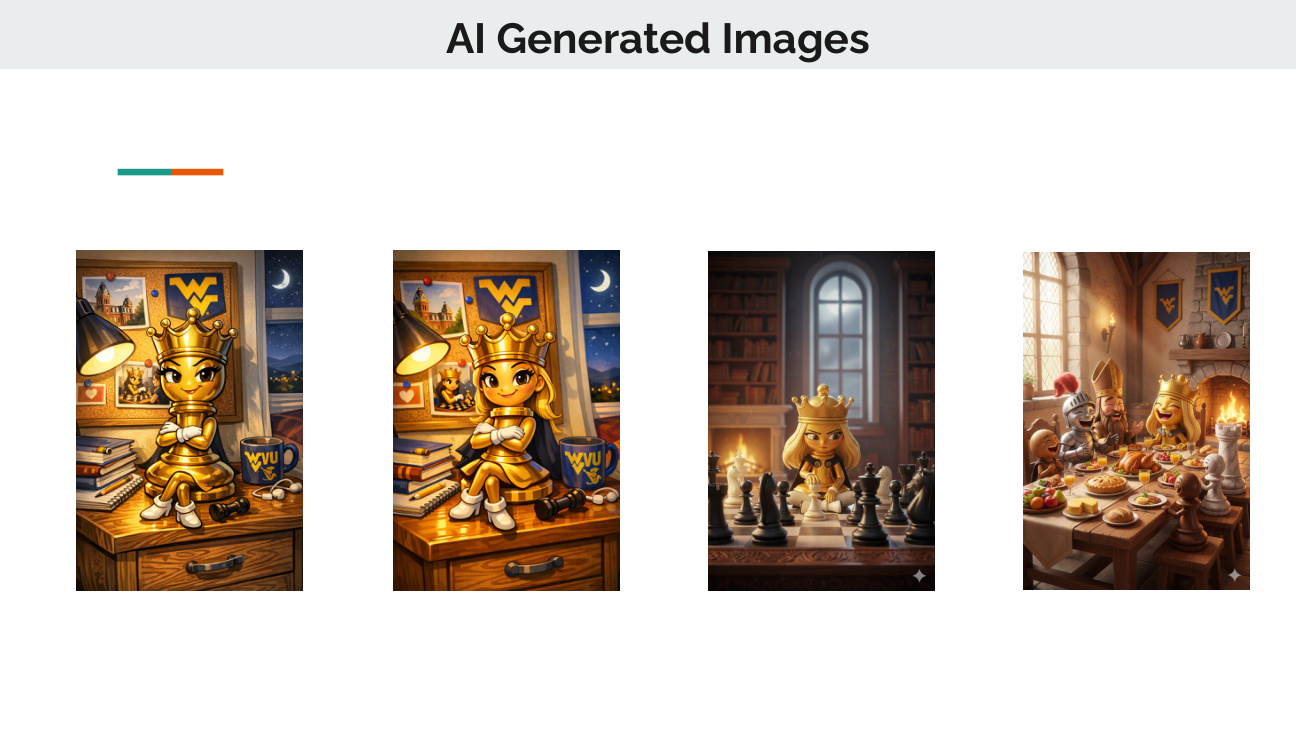
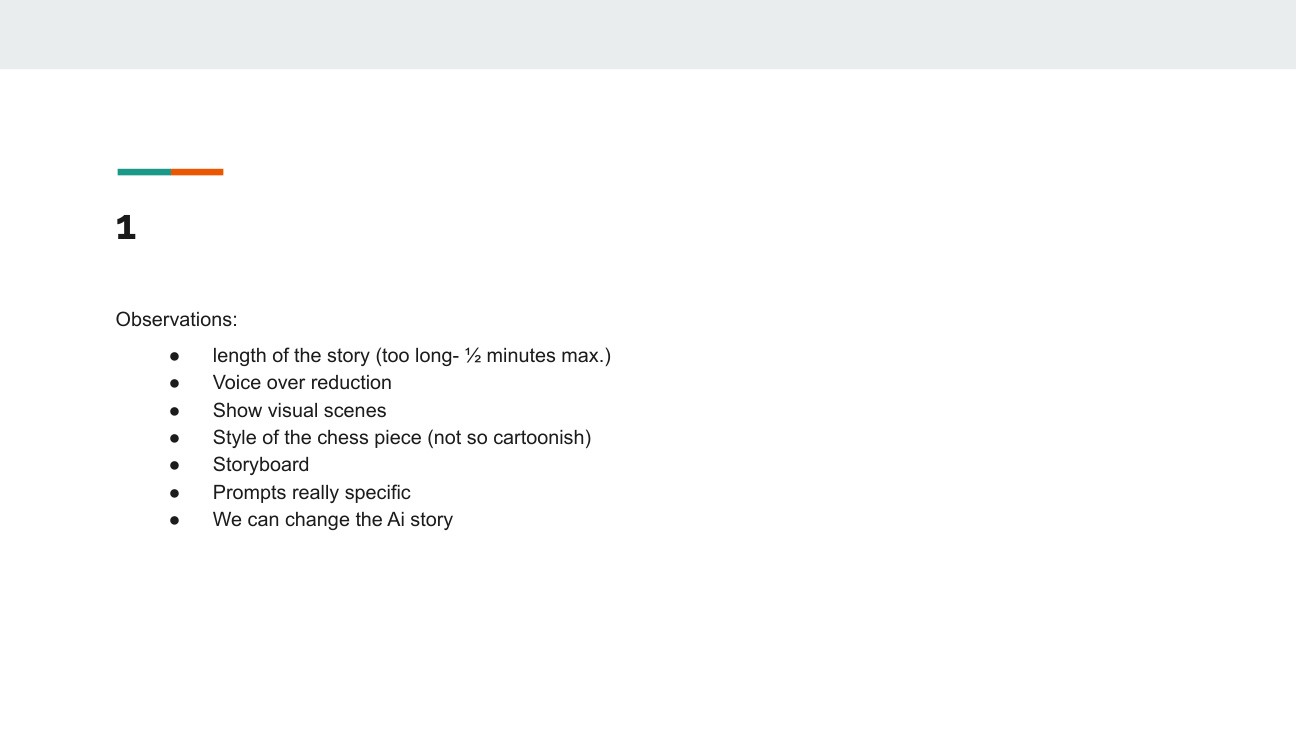
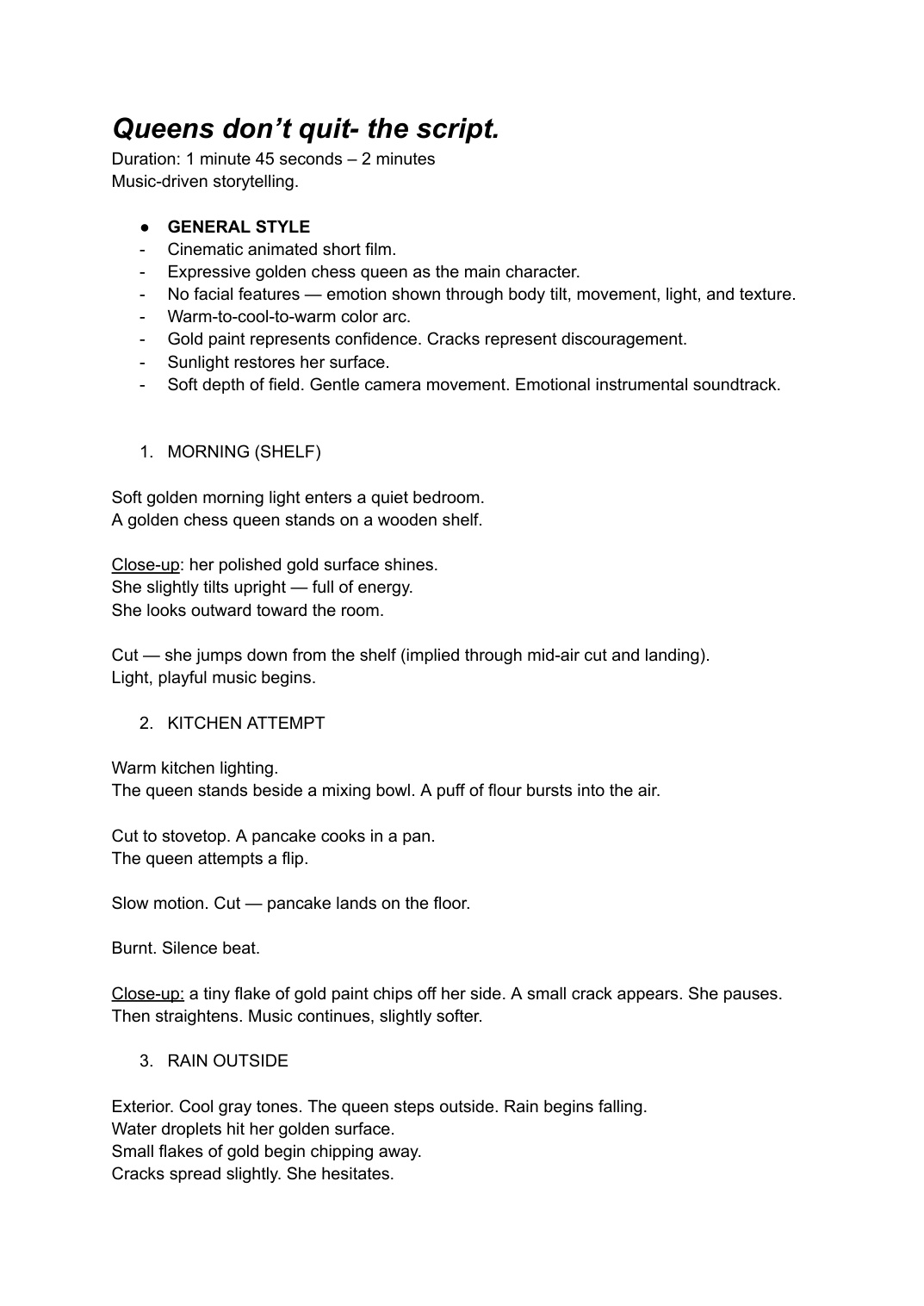
The pitch and Slack record process contributions from Carly Clark, Adler Howell, Cole West, and Venus Reinoso.
Wherever You Go: from scan to shared edit
Evie’s scan of Peanut became the anchor for a storybook journey. The February pitch assigned responsibilities across the team: Evie as project manager, Emma as writer, Juan as editor, Alex as image producer, and Talia as audio producer. Students shared editing access, balanced their presentation roles, and developed images of Peanut in different places.
Emma’s storyboard specified individual shots, camera movement, travel locations, and visual references. A late-February workshop produced images for a prototype. After the late-February critique, Emma shared handwritten notes calling for stronger transitions, animated clips, clearer AI instructions, and consistent character size.
The early-March discussion shows revision at the level of individual shots. Peer and teacher feedback identified a Paris image being used as Seville, missing close-ups, repeated fades to black, and implausible AI movement. Alex worked through the edit with the group while Juan offered help with pacing and audio. The exchange made visual continuity and human editorial judgment part of the assignment.
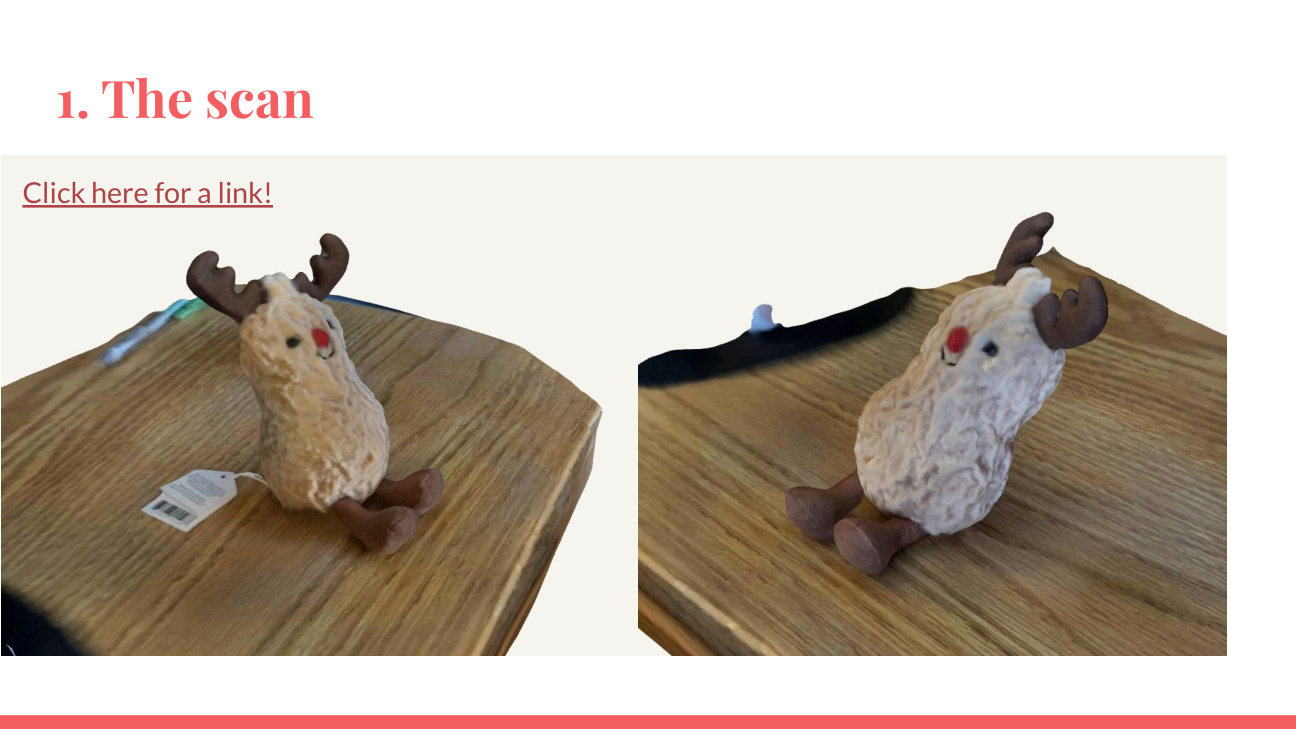
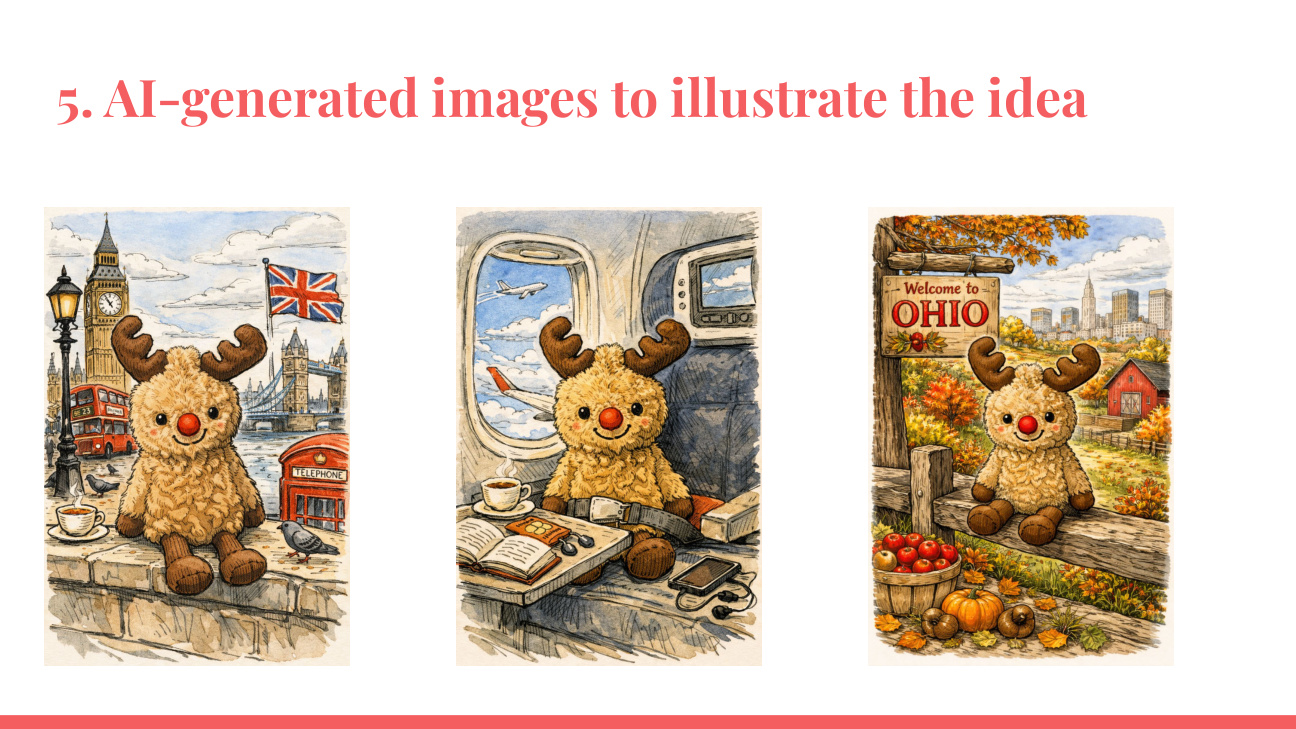
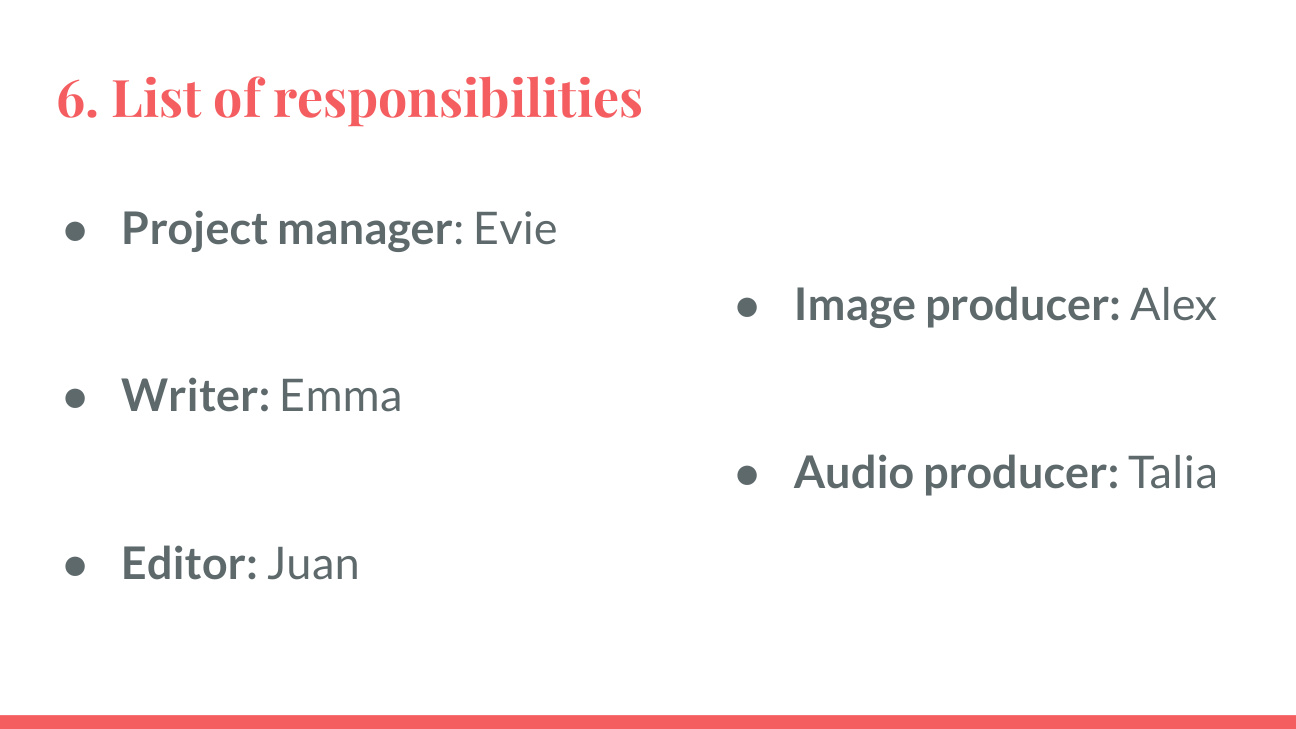
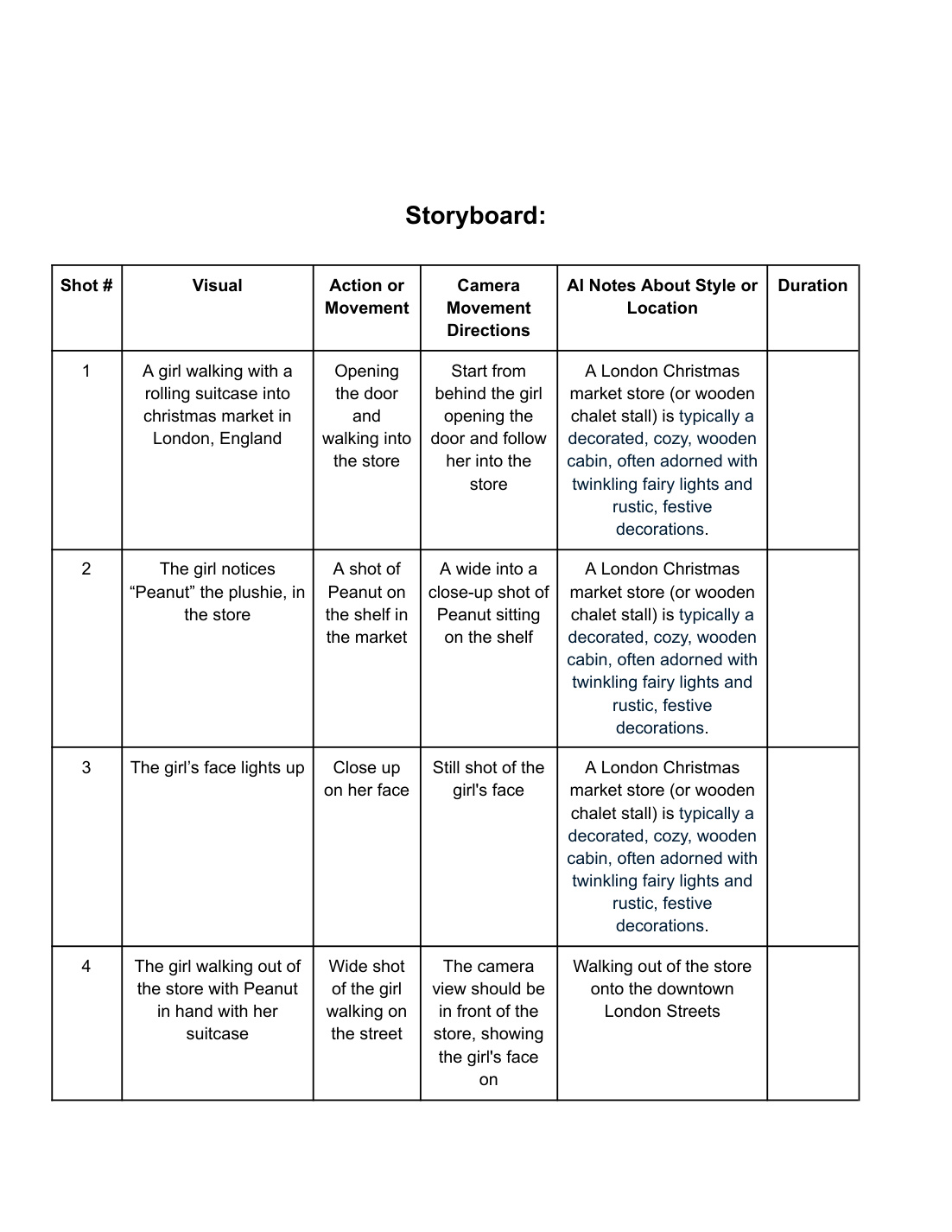
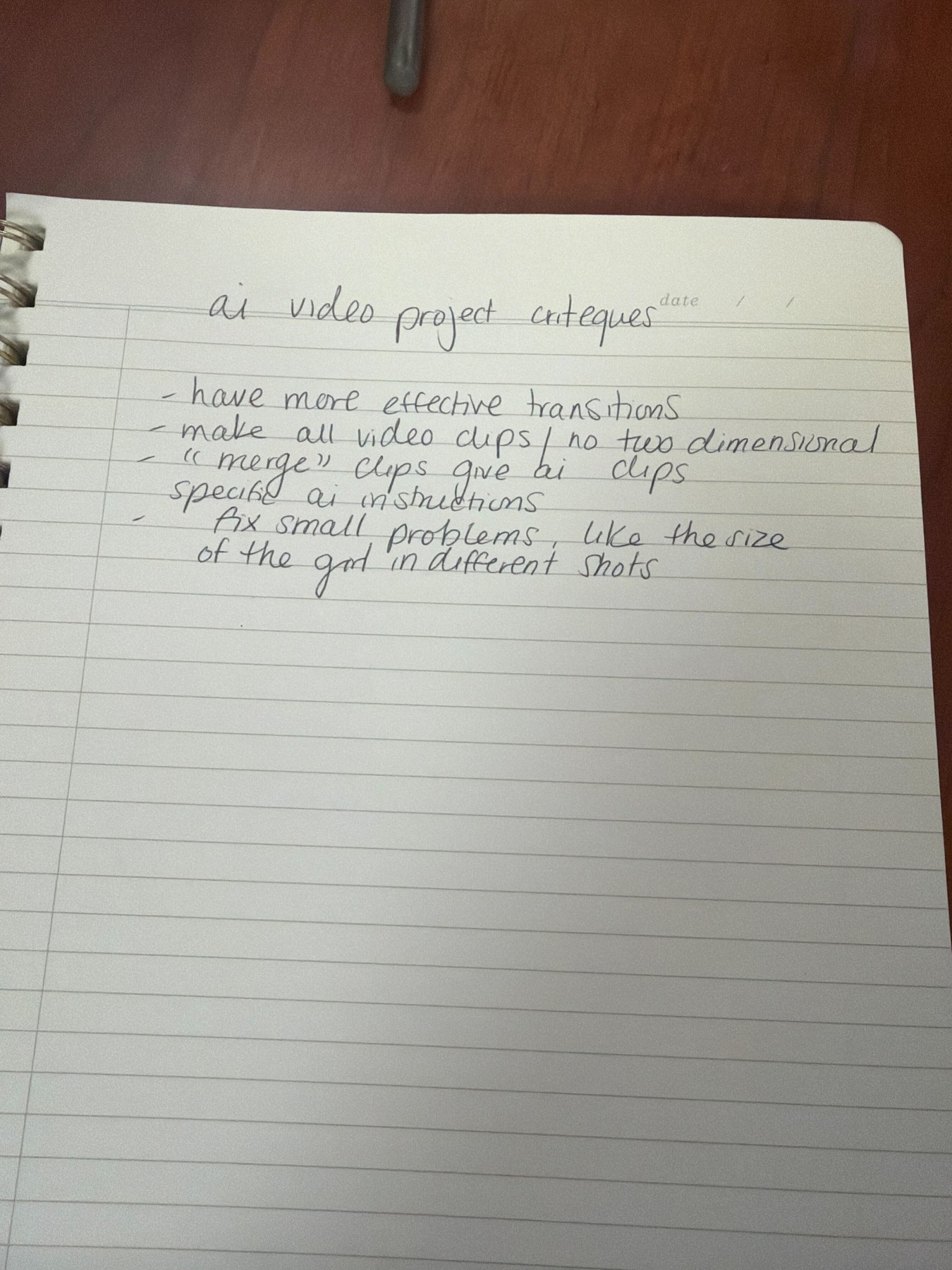

The development record includes Evie Safran, Juan Bellón Jiménez, Talia Cartwright, Emma Thomas, and Alexander Hardy.
More Than Winning: rewriting the conflict
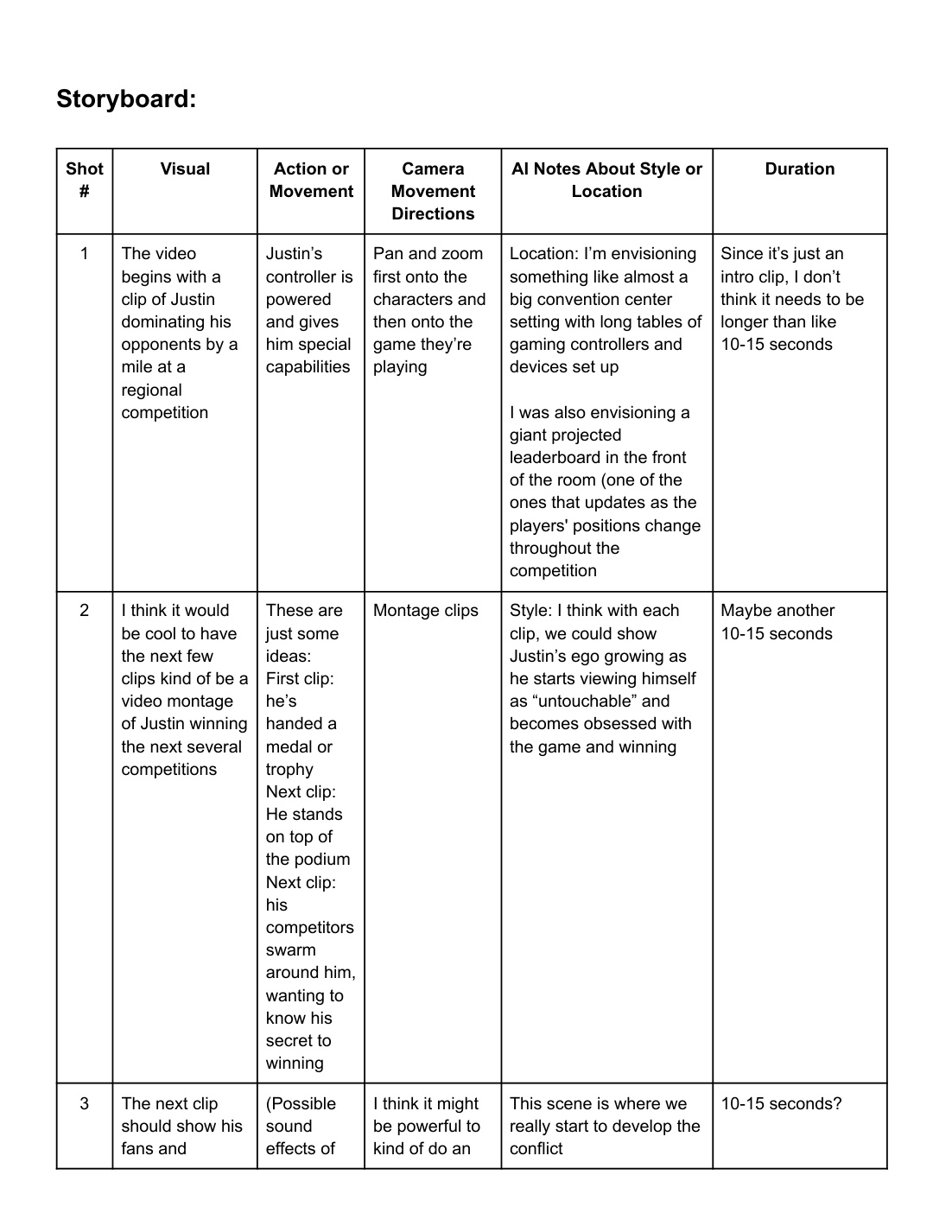
Justin’s controller and his connection to competitive gaming gave the group a personal starting point. Students debated whether the controller should narrate, act independently, or support a story about its owner. They questioned AI-generated suggestions and proposed their own alternatives.
The early-February pitch imagined a magic controller that helped its player win, with a graphic novel as a possible format. By late February, the storyboard had developed a different dramatic arc: success, suspicion, exposure, and a friend’s forgiveness. Addison added shot and camera notes ahead of the workshop, and Justin argued that starting with the controller’s powers would create a clearer conflict.
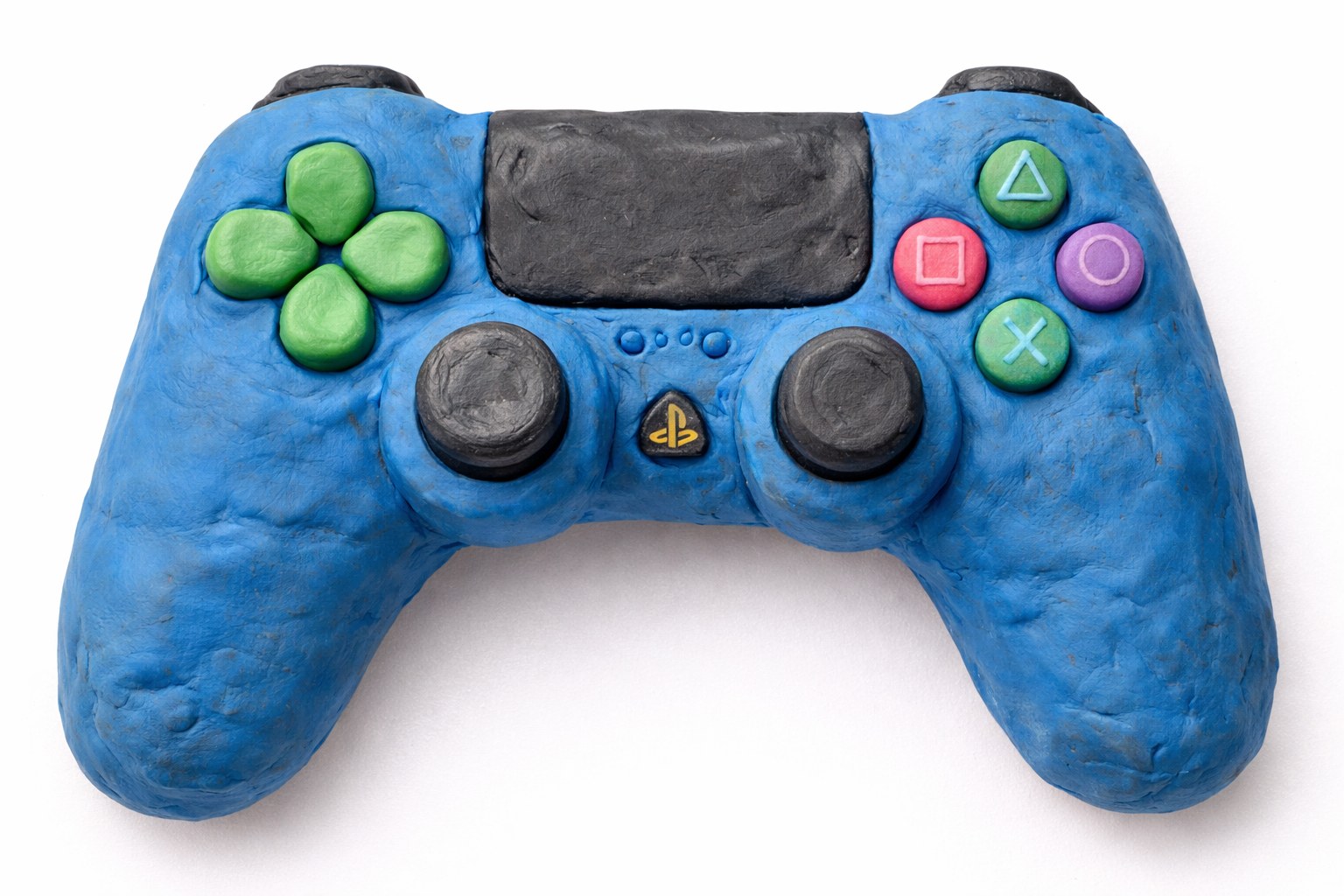
Santiago contributed an AI image of a clay controller in late February, giving the team a visual reference. The workshop’s prompts and generated images and videos were shared for the group to review and develop further. The materials connect physical making, story revision, and AI-assisted production.
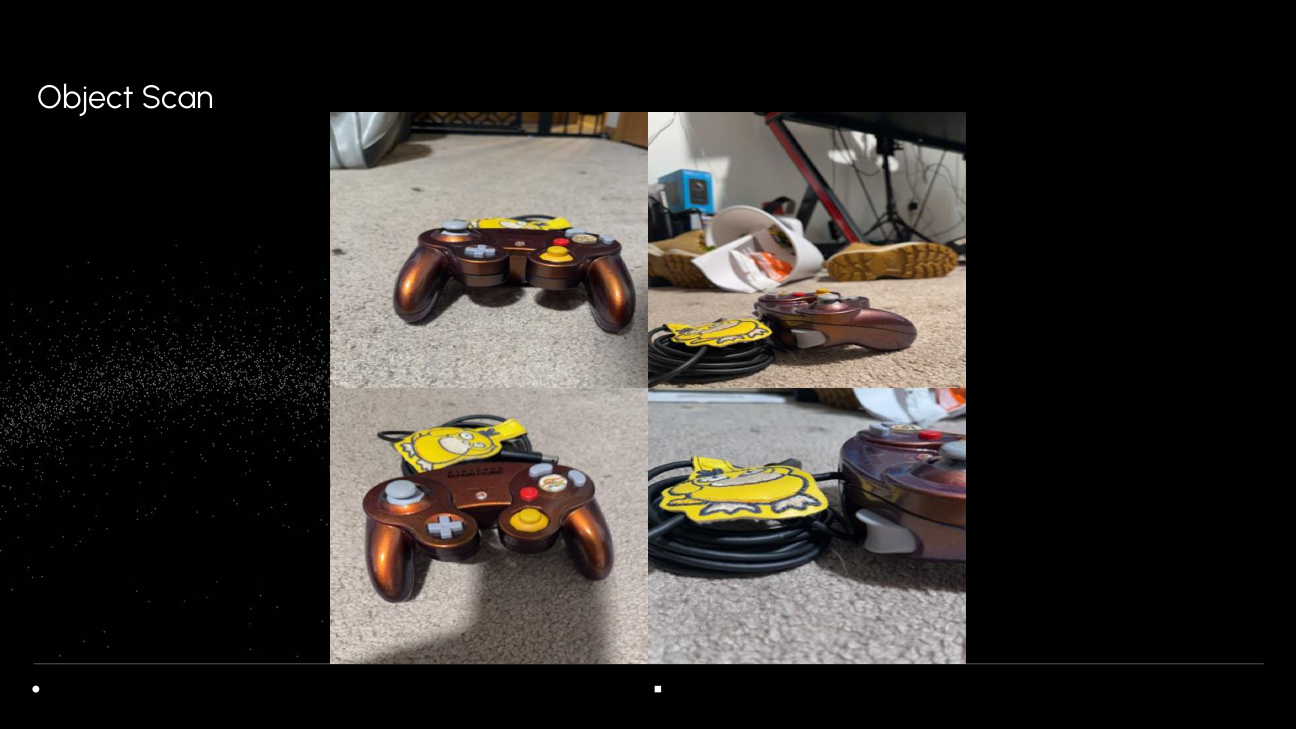
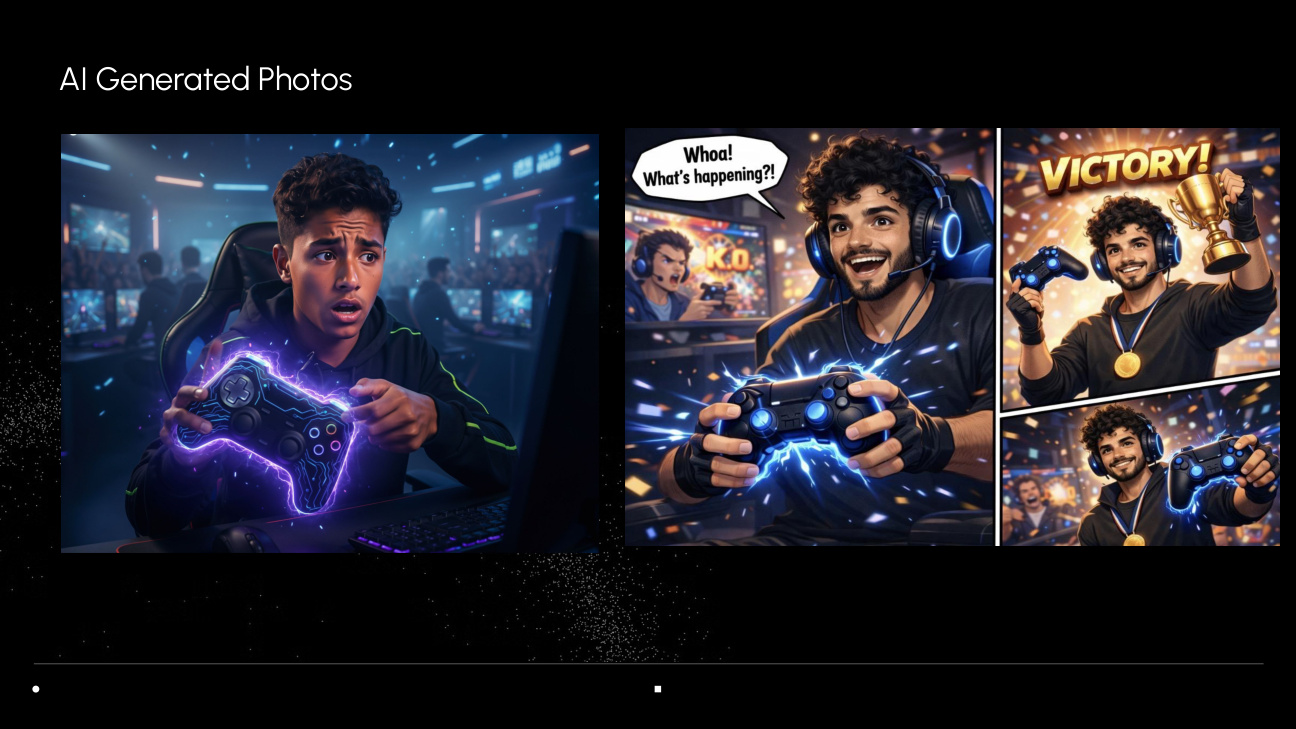
Pink Bunny: keeping the story personal
The team began with Elizabeth’s scan and account of what the bunny meant to her. Laila developed a story from the object’s point of view, and the group discussed whether it preserved the meaning of the original experience. Estrella helped organize the pitch and recorded feedback calling for a clearer central idea and a distinctive visual style.
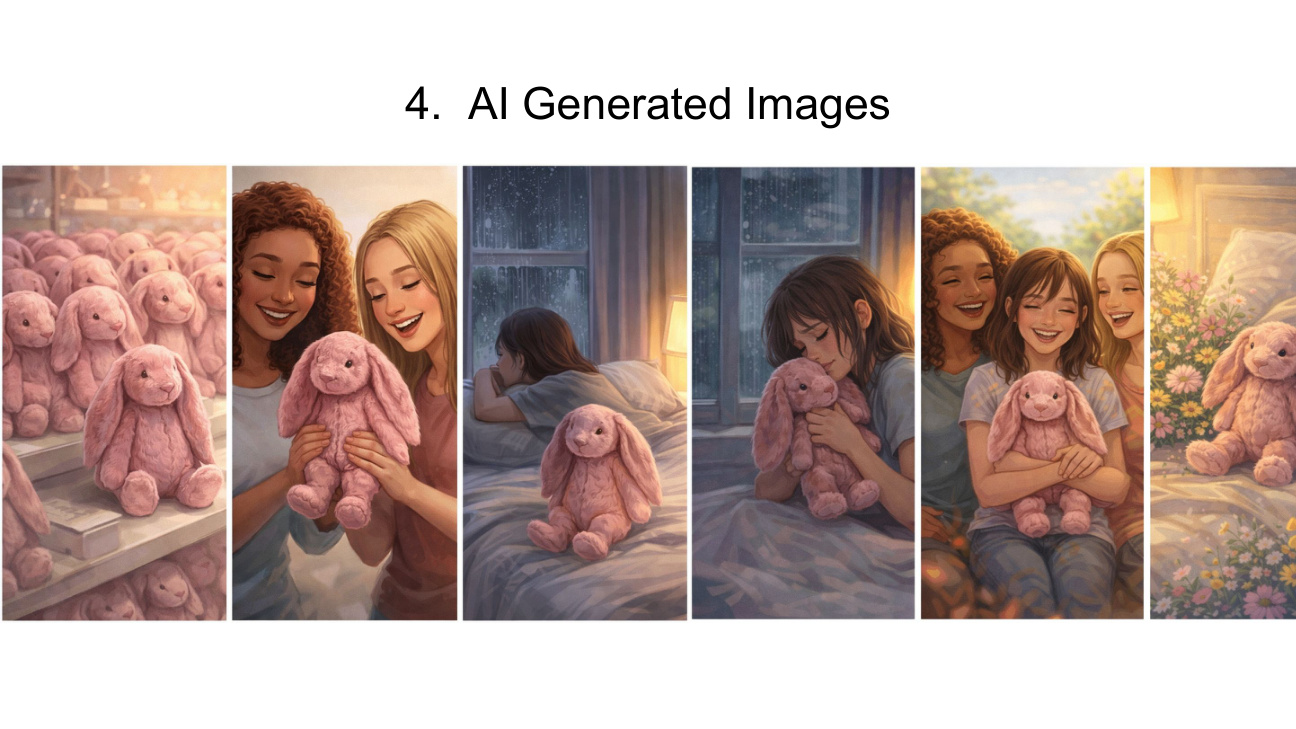
Across February, shared slides and storyboards helped students connect the original object with generated scenes. They arranged online meetings around the time difference and kept notes so partners could follow the decisions between sessions. The visual experiments became material to compare, question, and refine together.
In early March, Laila shared an assembled video for class. Further discussion later in March focused on recreating a sleepover scene and reconsidering the music. Estrella supplied more specific scene directions, compared a revised result with the earlier version, and identified further changes to discuss with her partners. The exchange shows that generation was one step in a longer cycle of creative decisions and review.
What collaboration brought to the films
Working across Spain and the United States required more than sharing files. Teams negotiated story ideas, allocated production roles, explained visual references, and kept work moving between live meetings. A partner could develop a script while another tested imagery, assembled an edit, or considered music and sound.
Teacher and peer critiques connected those contributions. Storyboards made intentions visible before generation; prototypes exposed gaps in pacing and continuity; shared notes turned reactions into practical revision tasks. Students learned to distinguish an interesting AI result from an image or clip that actually served the story.
The process also made AI’s limits visible. Inconsistent character sizes, changing visual styles, confused locations, and implausible movement required human decisions. The films grew through selecting, rewriting, regenerating, and editing—while returning to the personal meaning of the original objects.